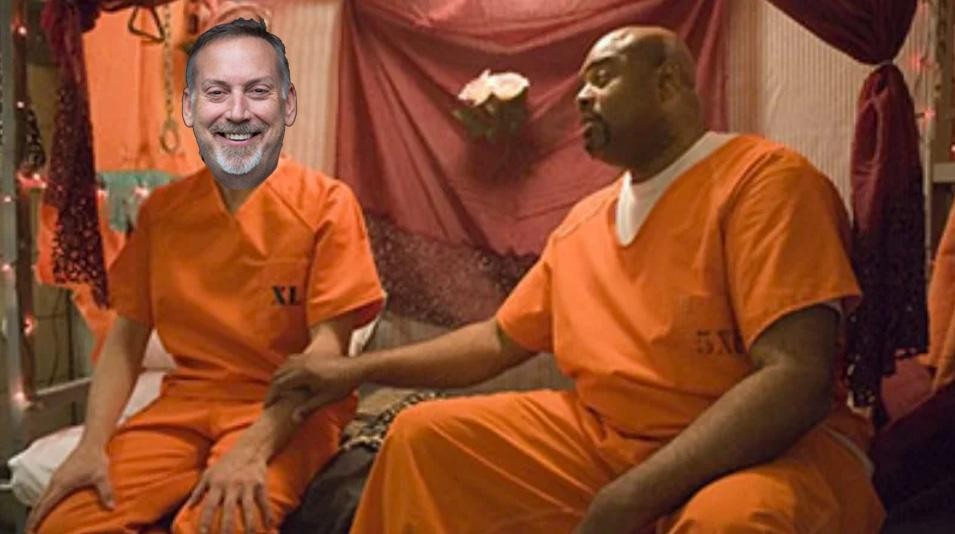
Morally Bankrupt Michigan Lawyers Have Infiltrated And Corrupted Michigan Courts With Frauds On The Court.

Morally bankrupt Michigan lawyers don’t start out ethically challenged. They start out dreaming of being Atticus Finch. However, the depravity bug soon infects them. Lawyers start cutting corners and overbilling clients. They eventually morph into TV slimeball lawyer Saul Goodman or real life slimeball Roy Cohn.
They may not whore themselves out to a client. However, that depends on your definition of what a whore is. There more than one way attorneys can whore themselves out.
Most lawyers will take a stinker of a case just for the billable hours. They tell a client whatever it is they want to hear and milk as much money as they can. They will then do one of two things.
- They will either milk money from the client and bail right before a trial.
- Play to win and then do whatever they can do to win the case. Of course, this includes commiting perjury and commiting multiple frauds on the court to win a case.
Unfortunately, this kind of unethical behavior has become the norm with Michigan lawyers and the courts allow it. Average person will think, “Well, that makes no sense.”
It does make no sense in the real world. However, judges and lawyers live in a totally different world and in their world it makes sense.
Here is why. Lawyers swear to a lifetime oath to maintain the integrity of the court when get their bar card. So, because of this oath, judges take everything the attorney says at face value. That is, unless opposing counsel calls them out in front of a judge. However, in some case opposing counsel are too timid or intimidaqted to call them out.
Why Morally Bankrupt Michigan Lawyers Prosper Off The Misery Of Others
 However, most ethically challenged lawyers work in established law firms like Altior Law where they rise through the ranks. So they can bully and intimidate opposing counsel into staying quiet.
Ironically, when Kenneth Neuman, Stephen McKenney and Jennifer Grieco rebranded their firm 2019, they picked the name Altior. Why? Altior is derived from “altiorem,” which is the Latin word for higher. They claim it represents the “elevated core values” of the firm. However, we know what their ethical standards really are.
Oh, and let’s not forget Stark Strobl attorney Christopher LeVasseur as being an example of a morally bankrupt Michigan lawyer.
So what makes good lawyers become morally bankrupt lawyers. Let’s break it down a bit.
1. Personal Pressures That Push People Off Course
Even well‑intentioned lawyers are still human. Common forces that cause them to become ethical misfits:
Money and status pressure
Law can be expensive to enter and high‑stakes to stay in. Debt and lifestyle expectations can be a factor. In addition, firm billable hours targets can push people to begin acting unethically instead of doing what’s right.
Burnout and exhaustion
Long hours, emotional cases, constant conflict, and the feeling that you’re always “on” can wear down judgment. Tired people rationalize:
“I’ll just bend this rule once; I don’t have the energy to fight about it.”
Ego and identity
Some attorneys start tying their self‑worth to winning or being the smartest person in the room. When attorneys start believing, “I must win” becomes more important than “I must do what’s right”
That is dangerous and creates cracks in the Michigan judicial system.
Rationalization (“I’m still a good person”)
Few people see themselves as villains. Instead, they say things like:
-
- “The other side is worse.”
- “My client really needs this.”
- “That rule is technical, not important.”
Bit by bit, they redraw their own moral line.
Substance Abuse Issues
Substance abuse is rampant among Michigan lawyers. It’s one of those dirty little secrets the Michigan Bar doesn’t to address, In addition, most established law firms don’t to deal with.
As we all know, substance abuse affects a lawyers judgment especially when it comes to money. Addicts will do anything to get the money to get high. With lawyers, it’s usually the client that pays.
2. Systemic Problems In The Profession
It’s not just the individual; the structure of legal work can encourage bad behavior.
Billable Hours & Business Pressure
A law firm only measures an associate’s value in terms of hours and revenue. This is why some lawyers start seeing people not as humans but as “matters” and “files.” That detachment makes it easier to justify questionable sociopathic tendencies like committing fraud on the court.
Adversarial culture
The American legal system is literally built around conflict. Over time, it can normalize aggression, exaggeration and fraud. and playing “right up to the line.” If everyone around you treats the sociopathic behavior as normal practice. Sane ethical lawyers begin thinking, “Maybe I’m the naive one.”
Toxic office or firm culture
Senior lawyers tell junior associates that the shady ways are, “This is just how it’s done,”
As a result, if the rainmakers are getting rewarded for breaking the rules, young attorneys learn that ethics are optional.
Weak or slow accountability
Experienced lawyers usually commit unethical conduct because it goes unpunished or gets rewarded. Young lawyers learn that the real rule is not to get caught. However, if you do, you’ll just get a slap on the wrist from the Michigan Bar.
3. How The Slide Usually Happens (Psychologically)
The pattern is often gradual:
Tiny compromises
“I’ll round this time entry up a little.”
“I’ll phrase this fact in a way that’s not exactly wrong.”
They see others doing similar things. It starts to feel normal, even expected.
Once you’ve crossed a line, crossing it again feels less shocking. So the behavior gets riskier: hiding evidence, misleading a court, putting personal interests above the client.
Identity shift
They start believing: “This is just what good, tough lawyers do.”
The self‑image of “ethical professional” quietly turns into “clever operator.”
4. Why Some Don’t Go Bad
Plenty of attorneys face all of the pressures above and still stay solid. Usually because they have:
A real internal line they won’t cross
Clear personal non‑negotiables: “I’d rather lose the case or the client than lie.”
Healthy mentors and peers
At least a few people in their world who model doing the right thing, even when it costs them.
Work environments that back ethics
Places where leadership actually means it when they say, “We don’t do that here.” They will actually walk away from money or clients to prove it.
Self‑awareness and boundaries
Attorneys need to notice when they’re getting cynical or burned out. They need to step back and get support instead of numbing and sliding into shady behavior.
5. So Why Do Good Attorneys Go Bad?
The good ones lawyers who stay good usually protect themselves on purpose. They carefully choose who they work with carefully. They also set clear lines and are honest when they’re struggling instead of pretending they’re fine.
You Can Also Read More About Morally Bankrupt Michigan Attorneys Below:
Michigan Attorney Christopher LaVasseur Faces Bar Complaint
Ethical Misfits From Altior Legal Will Be Facing Bar Complaints
Altior Law Manufactured Evidence Then Tried To Hide It
Attorney Christopher LeVasseur Helped A Client To Lie Under Oath
Lamar Advertising Uses Mob Style Tactics
Patrick Depa Is Facing Potentially 15 Years In Prison For Perjury
Patrick Depa: Is He An Idiot? No, He’s Just A Scumbag!
Judicial Abuse of Process Is Out Of Control In Michigan Courts